
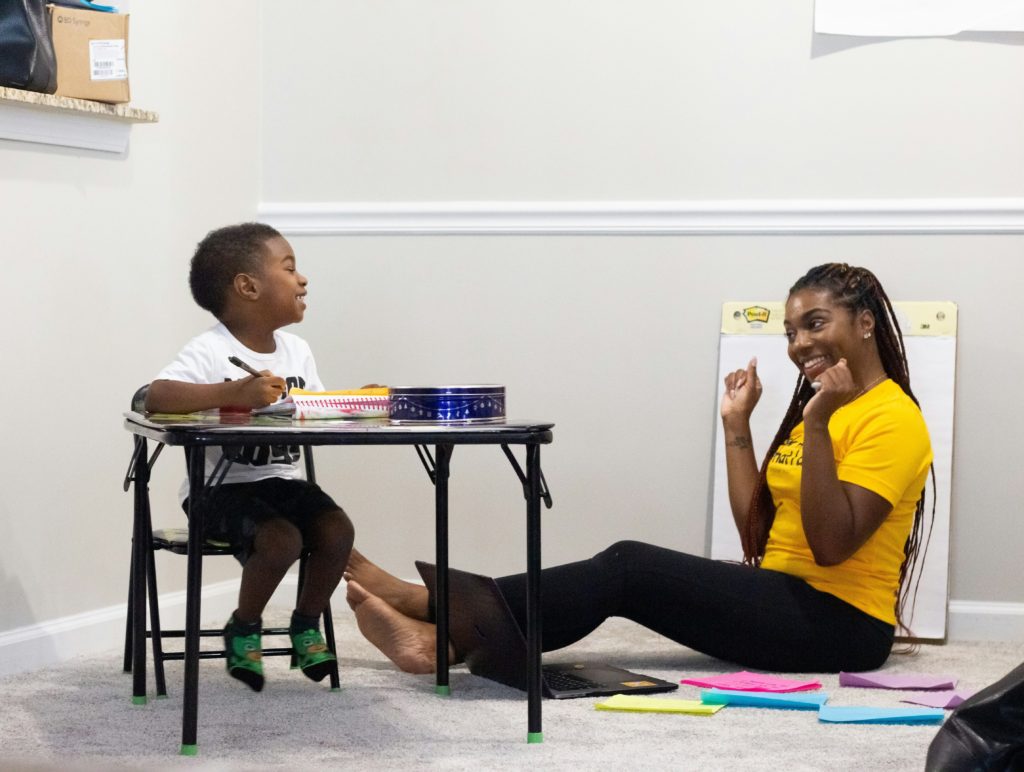
Behavioral Health Allies (BHA), has taken over the former H&R Block call center building at 4400 Dr. Martin Luther King, Jr. Blvd. The organization more than doubled its office space to 89,282 square feet when it bought the building and started a $5 million renovation. Established locally in 1995, BHA provides a continuum of care across the lifespan, from early intervention and education to community living and transportation services.
“We extend a warm welcome to BHA and are excited to see activity again at this space that sat vacant for several years,” said Shannon Hesterberg, chief operations and real estate officer. “BHA offers services not formerly available in the area. It will undoubtedly improve the lives of local residents.”
BHA’s programs are designed to take place in everyday settings—homes, schools and neighborhood facilities—rather than large institutions. Services include:
- BHA Academy: K–12 education tailored to students with developmental or behavioral needs.
- Community Living: Residential homes (off-site) for children and adults who need ongoing support.
- Early Intervention: In-clinic Applied Behavior Analysis (ABA) for children 18 months to 7 years old.
- Transportation: Rides to schools, appointments, and community activities.
The organization uses proven methods like therapy, positive support and everyday life-skills training. A team of different specialists works together, including behavior experts, speech and occupational therapists, special-education teachers and trained support staff who help with daily care and learning.
BHA says its mission as providing “a lifetime of hope and new opportunities for individuals and their families to grow, learn and live.” Its core values include compassion, collaboration, integrity, excellence and empowerment. The organization emphasizes partnerships with families, schools, physicians and community agencies.”
The facility’s overhaul started in December 2024 with a complete transformation of its interior and grounds. Spaces previously used as a reception area, training rooms and employee cafeteria were redesigned to shed the building’s corporate look and create a brighter, more welcoming environment.
Improvements extended beyond the main building. Entrances and exits were reconfigured to handle student drop-offs, and a 14,926-square-foot warehouse was turned into a gym. Architecture firm ACI Boland led the design, with construction by Forge Construction.